
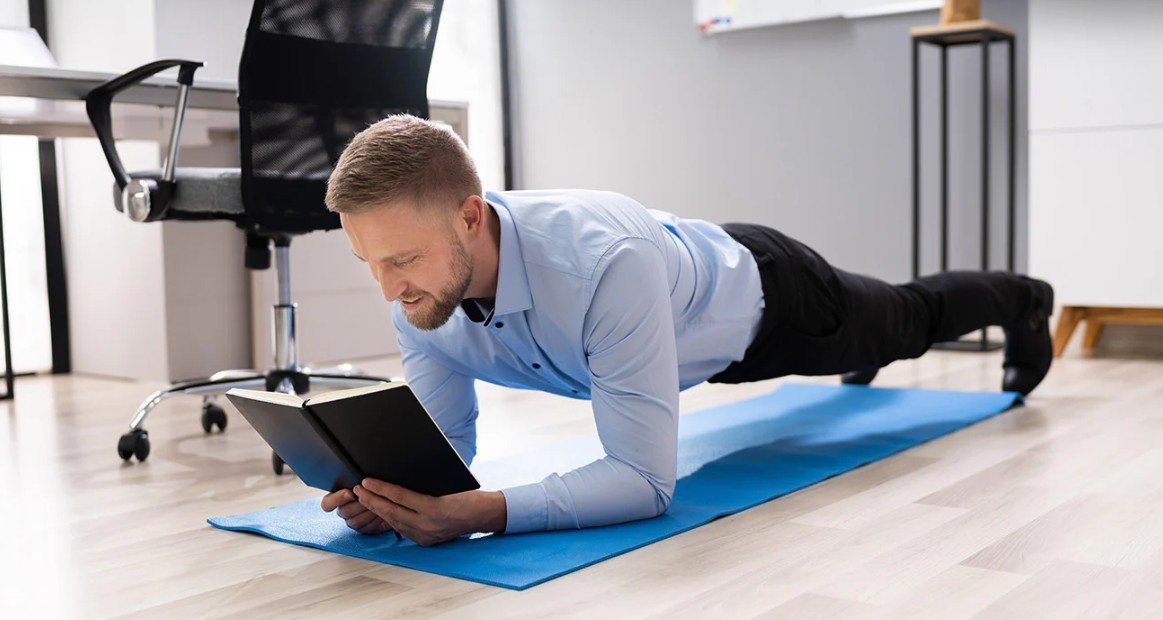

Finding time to stay fit while managing a busy professional life can feel like an impossible task. Long working hours, deadlines, meetings, and commuting often push exercise to the bottom of the priority list. Over time, this lifestyle can lead to fatigue, reduced productivity, and health issues. The good news is that staying active does not always require a gym membership or long training sessions. With the right approach, home workouts can easily fit into even the tightest schedules.
The key is not intensity alone, but consistency and smart planning. Even short bursts of exercise at home can improve energy levels, reduce stress, and support long-term health.
Table of Contents
ToggleStart with Realistic Fitness Goals
One of the most common mistakes busy professionals make is setting unrealistic workout expectations. Planning long daily sessions often leads to frustration and eventually quitting.
Instead, focus on achievable goals such as:
- 10–20 minutes of exercise per day
- 3–5 workout sessions per week
- Simple bodyweight movements
- Gradual improvement over time
Small, consistent efforts are far more effective than occasional intense workouts. The goal is to build a habit that fits naturally into your routine.
Use Short Workout Sessions (15–20 Minutes)
Time efficiency is essential for busy professionals. Short workouts can still deliver excellent results when done correctly.
A 15–20 minute session may include:
- Warm-up (2–3 minutes)
- Bodyweight exercises (10–12 minutes)
- Cool down and stretching (3–5 minutes)
This structure ensures you work your muscles, improve circulation, and maintain flexibility without consuming too much time.
High-Intensity Interval Training (HIIT) is especially useful because it burns calories quickly and improves fitness in a short duration.
Focus on Bodyweight Exercises
You don’t need expensive equipment to stay fit at home. Bodyweight exercises are simple, effective, and can be done anywhere.
Some of the best options include:
- Push-ups for upper body strength
- Squats for legs and glutes
- Planks for core stability
- Lunges for balance and strength
- Burpees for full-body conditioning
These exercises engage multiple muscle groups and help build functional strength, which is useful for daily life and work performance.
Create a Dedicated Workout Space at Home
A dedicated space helps build discipline. It doesn’t need to be large—a small corner in your room is enough.
Keep it simple:
- A yoga mat
- A water bottle
- Resistance bands (optional)
- Good ventilation or natural light
Having a fixed space reduces excuses and makes it easier to start exercising quickly without preparation delays.
Schedule Workouts Like Meetings
Busy professionals often miss workouts because they are not scheduled properly. Treat exercise like an important meeting.
You can:
- Block 15–30 minutes in your calendar
- Choose a fixed time (morning or evening)
- Set reminders on your phone
- Avoid scheduling conflicts
When fitness becomes part of your daily schedule, it becomes easier to stay consistent.
Morning Workouts for Better Productivity
Exercising in the morning is one of the best habits for busy individuals. It energizes the body and improves mental focus for the rest of the day.
Benefits of morning workouts include:
- Increased alertness
- Better mood and reduced stress
- Improved metabolism
- Fewer distractions or interruptions
Even a short morning routine of stretching, push-ups, and light cardio can make a noticeable difference in productivity.
Use Active Breaks During Work Hours
If you cannot find a continuous workout slot, break your exercise into small parts throughout the day.
Examples of active breaks:
- 5 minutes of stretching between tasks
- 10 squats after every hour
- Quick walking inside the house
- Desk-based stretches for neck and shoulders
These micro-workouts help reduce stiffness from sitting and keep your body active throughout the day.
Follow Simple Online Workout Plans
There are many free workout routines available online designed specifically for home use. Following a structured plan saves time and removes confusion about what exercises to do.
Look for routines that:
- Require no equipment
- Are beginner-friendly
- Focus on full-body workouts
- Fit into 10–30 minutes
Consistency matters more than complexity, so simple plans are often the most effective.
Stay Consistent, Not Perfect
Many professionals quit workouts because they miss a day or two and feel discouraged. The key is to focus on consistency rather than perfection.
Even if you miss a session:
- Do a shorter workout instead
- Stretch for 5–10 minutes
- Resume the next day without guilt
Fitness is a long-term journey, not a short-term challenge.
Combine Exercise with Healthy Habits
Home workouts work best when combined with other healthy habits such as:
- Drinking enough water
- Eating balanced meals
- Reducing junk food intake
- Getting proper sleep
- Managing stress
These habits support your fitness goals and improve overall well-being.
Use Music or Motivation Tricks
Staying motivated at home can be difficult. Music, timers, or workout apps can help make exercise more enjoyable.
Try:
- Energetic playlists
- Fitness timers (like 20–30 second intervals)
- Tracking progress in a journal
- Setting weekly goals
Small motivational tools can significantly improve consistency.
Final Thoughts
Home workouts are a practical and effective solution for busy professionals who struggle to find time for the gym. You don’t need hours of free time or expensive equipment to stay fit. What truly matters is consistency, discipline, and smart planning.
By incorporating short workouts, bodyweight exercises, and active breaks into your daily routine, you can maintain good health even with a demanding schedule. Over time, these small efforts lead to better energy, improved focus, and a stronger body—helping you perform better in both work and life.
