
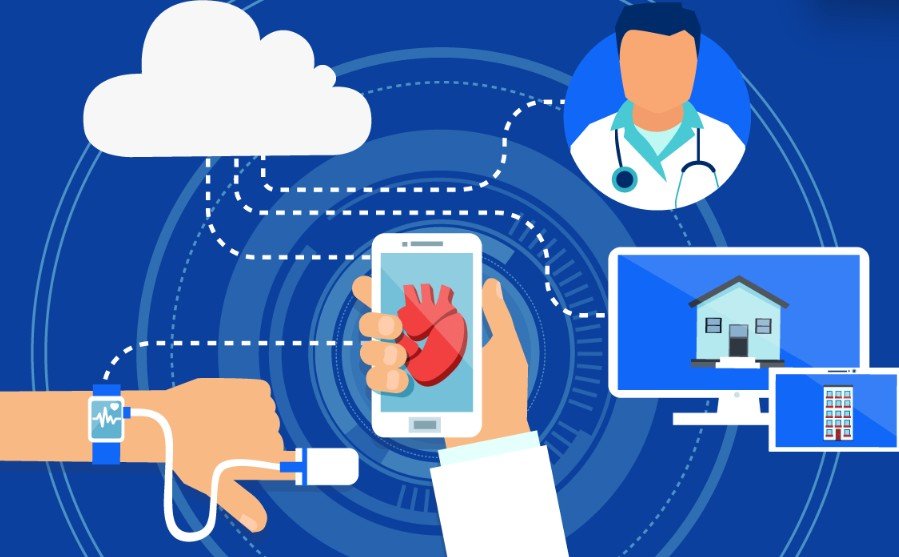

Healthcare is no longer limited to hospitals, clinics, or scheduled doctor appointments. A growing number of people now track their health from their wrists, fingers, and even clothing. Wearable technology has transformed the way individuals monitor fitness, detect medical conditions, and manage daily wellness. From smartwatches that measure heart rate to wearable glucose monitors that help diabetic patients, technology is becoming a powerful companion in modern healthcare.
The rise of wearable technology in healthcare reflects a major shift toward preventive care and real-time monitoring. Instead of waiting for symptoms to worsen, people can now identify health concerns early and take action before problems become serious. This innovation is improving patient outcomes while also making healthcare more personalized and accessible.
Table of Contents
ToggleWhat Is Wearable Technology in Healthcare?
Wearable technology refers to electronic devices designed to be worn on the body. These devices collect health-related data and provide valuable insights about a person’s physical condition. Many wearable devices connect to smartphones or cloud-based systems, allowing users and healthcare professionals to review health information instantly.
Popular examples of healthcare wearables include:
- Smartwatches
- Fitness trackers
- Wearable ECG monitors
- Smart rings
- Blood pressure monitors
- Continuous glucose monitors
- Sleep tracking devices
These devices use sensors to gather information such as heart rate, oxygen levels, sleep quality, physical activity, and stress levels.
How Wearable Technology Is Changing Healthcare
Real-Time Health Monitoring
One of the biggest advantages of wearable technology is continuous health monitoring. Traditional medical checkups provide limited snapshots of a person’s condition, but wearables collect data throughout the day.
For example, smartwatches can monitor heart rate and alert users if irregular patterns are detected. This allows patients to seek medical attention quickly, potentially preventing serious complications.
Real-time monitoring is especially helpful for patients with chronic illnesses such as diabetes, hypertension, and heart disease. Doctors can access patient data remotely and make informed treatment decisions without requiring frequent hospital visits.
Improved Preventive Healthcare
Preventive healthcare has become more effective with wearable technology. Many people are now more aware of their daily habits because fitness trackers encourage healthier lifestyles.
Wearable devices motivate users to:
- Walk more steps
- Exercise regularly
- Maintain healthy sleep patterns
- Stay hydrated
- Monitor calorie intake
This constant feedback encourages better decision-making and helps reduce the risk of obesity, cardiovascular disease, and other lifestyle-related illnesses.
Better Management of Chronic Diseases
Managing chronic diseases often requires regular monitoring and timely adjustments in treatment. Wearable technology simplifies this process.
Continuous glucose monitors, for instance, help diabetic patients track blood sugar levels throughout the day without repeated finger-prick tests. Patients receive alerts when glucose levels become too high or too low, allowing them to respond immediately.
Similarly, wearable blood pressure monitors help individuals with hypertension monitor fluctuations and share accurate readings with healthcare providers. This reduces complications and improves long-term disease management.
Enhanced Patient Engagement
Patients are becoming more involved in their healthcare journeys because wearable devices provide direct access to personal health information. Instead of relying entirely on doctors, users can better understand their own bodies and habits.
This increased awareness improves communication between patients and healthcare professionals. When patients bring detailed health data to appointments, doctors can provide more accurate diagnoses and personalized recommendations.
Patient engagement also improves treatment adherence. Individuals are more likely to follow medical advice when they can see measurable progress through wearable health tracking.
The Role of Artificial Intelligence in Wearable Healthcare
Artificial intelligence is making wearable technology even more advanced. AI-powered systems can analyze massive amounts of health data and identify patterns that humans may overlook.
For example, AI algorithms can:
- Detect irregular heart rhythms
- Predict potential health risks
- Analyze sleep disorders
- Identify stress patterns
- Provide personalized fitness recommendations
This combination of wearable technology and artificial intelligence is creating smarter healthcare systems that focus on early detection and personalized care.
Remote Patient Monitoring
Remote patient monitoring has become increasingly important, especially after global healthcare challenges highlighted the need for virtual care solutions.
Wearable technology allows healthcare providers to monitor patients from a distance. This reduces unnecessary hospital visits and makes healthcare more convenient for elderly patients and individuals living in rural areas.
Doctors can track patient recovery after surgery, monitor medication effectiveness, and receive alerts if a patient’s condition worsens. Remote monitoring also reduces healthcare costs by minimizing hospital admissions and emergency visits.
Mental Health Benefits of Wearables
Wearable technology is not limited to physical health. Many devices now support mental wellness by tracking stress levels, breathing patterns, and sleep quality.
Some wearables offer guided breathing exercises, meditation reminders, and stress management tools. These features help users manage anxiety and maintain emotional balance.
Sleep tracking technology also helps people identify sleep disturbances, which are often linked to mental health conditions such as depression and anxiety.
Challenges Facing Wearable Technology in Healthcare
Despite its many benefits, wearable healthcare technology still faces several challenges.
Data Privacy Concerns
Wearable devices collect sensitive personal health information. Protecting this data from cyber threats and unauthorized access remains a major concern for both users and healthcare providers.
Companies must invest in strong cybersecurity systems to maintain user trust and comply with healthcare regulations.
Accuracy Issues
Although wearable devices have improved significantly, some devices may still produce inaccurate readings. Incorrect data can lead to unnecessary anxiety or improper medical decisions.
Healthcare professionals often recommend using wearable technology as a supportive tool rather than a complete replacement for professional medical evaluations.
Cost and Accessibility
Advanced wearable devices can be expensive, making them less accessible for low-income individuals. Expanding affordability will be essential for ensuring equal access to digital healthcare solutions.
The Future of Wearable Technology in Healthcare
The future of wearable healthcare technology looks highly promising. As sensors become more advanced, devices will likely monitor even more health conditions with greater precision.
Future innovations may include:
- Wearables that detect diseases before symptoms appear
- Smart clothing with built-in health sensors
- AI-powered health prediction systems
- Advanced remote surgical monitoring
- Personalized treatment recommendations based on real-time data
Healthcare systems around the world are expected to adopt wearable technology more widely in the coming years. Hospitals, insurance companies, and medical researchers are already exploring new ways to integrate wearable data into healthcare services.
Conclusion
The rise of wearable technology in healthcare is changing the way people manage their health and interact with medical professionals. These smart devices provide real-time monitoring, improve preventive care, support chronic disease management, and encourage healthier lifestyles.
While challenges such as privacy concerns and device accuracy still exist, wearable technology continues to evolve rapidly. As innovation advances, healthcare will likely become more personalized, accessible, and proactive than ever before.
Wearable healthcare technology is not simply a trend. It represents a major step toward smarter and more connected healthcare systems that empower individuals to take control of their well-being every day.
