
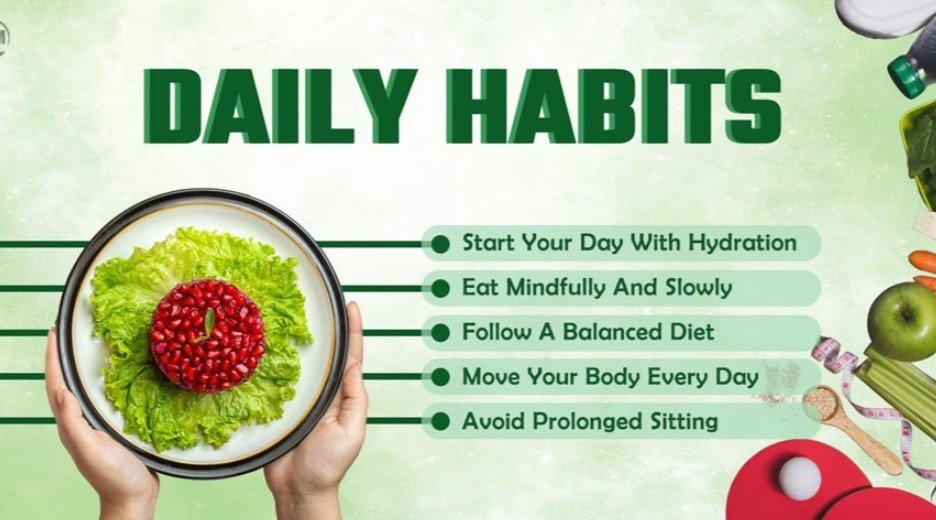

A healthy lifestyle is not built through one big decision—it is shaped by small, consistent habits repeated every day. In 2026, with increasing stress, screen time, and fast-paced routines, people are realizing that wellness is less about strict dieting or intense workouts and more about sustainable daily practices.
The good news is that even simple habits can dramatically improve physical health, mental clarity, energy levels, and long-term well-being. Below are the most effective daily habits for building a truly healthy lifestyle.
Table of Contents
Toggle🌅 Start Your Day with a Consistent Morning Routine
How you start your morning sets the tone for the entire day. A rushed, chaotic morning often leads to stress and low productivity, while a calm and structured routine improves focus and mood.
A good morning routine can include:
- Waking up at the same time every day
- Drinking a glass of water after waking up
- Light stretching or breathing exercises
- Avoiding phone usage for the first 30 minutes
Consistency helps regulate your internal body clock, also known as the circadian rhythm, which plays a major role in sleep, energy, and metabolism.
💧 Stay Hydrated Throughout the Day
Water is essential for almost every function in the human body. Proper hydration improves digestion, skin health, brain function, and energy levels.
Many people underestimate how much water they need daily. A simple habit is to keep a water bottle nearby and drink regularly instead of waiting until you feel thirsty.
Signs of good hydration include:
- Clear or light-colored urine
- Stable energy levels
- Fewer headaches
- Better concentration
Even mild dehydration can reduce performance and increase fatigue.
🥗 Eat Balanced and Natural Meals
Healthy eating does not mean strict dieting—it means choosing balanced meals most of the time. A healthy plate should include:
- Protein (eggs, fish, chicken, legumes)
- Healthy fats (nuts, olive oil, avocado)
- Complex carbohydrates (rice, oats, whole grains)
- Fruits and vegetables
Instead of focusing on restriction, focus on balance and portion control. Processed foods, excess sugar, and fast food should be limited, not completely eliminated unless medically necessary.
A helpful habit is to eat slowly and mindfully, allowing your body to recognize fullness signals naturally.
🚶 Move Your Body Every Day
Physical activity is one of the most important habits for a healthy lifestyle. You don’t need a gym membership or intense workouts—regular movement is enough to make a big difference.
Simple ways to stay active:
- Walking 20–30 minutes daily
- Taking stairs instead of elevators
- Light home workouts or stretching
- Cycling or jogging when possible
Regular physical activity supports heart health, improves mood, strengthens muscles, and reduces the risk of chronic diseases.
Even moderate daily movement is better than occasional intense exercise.
🧠 Take Care of Mental Health
Mental health is just as important as physical health. Stress, anxiety, and burnout can affect sleep, appetite, and overall energy levels.
Healthy mental habits include:
- Practicing deep breathing or meditation
- Taking short breaks during work
- Spending time in nature
- Avoiding negative social media consumption
Even 10 minutes of quiet reflection each day can significantly improve emotional balance and clarity.
😴 Prioritize Quality Sleep
Sleep is the foundation of good health. Without proper rest, no diet or exercise plan will work effectively.
A healthy sleep routine includes:
- Sleeping 7–9 hours per night
- Going to bed and waking up at consistent times
- Avoiding screens at least 1 hour before bed
- Keeping the room dark and quiet
During sleep, the body repairs muscles, processes memory, and restores energy. Poor sleep is linked to fatigue, weight gain, weak immunity, and reduced concentration.
Treat sleep as a priority, not an option.
📵 Reduce Screen Time and Digital Overload
Excessive screen time is one of the biggest modern lifestyle problems. It affects posture, sleep quality, focus, and mental health.
To reduce digital overload:
- Set time limits on social media apps
- Avoid scrolling before bed
- Take screen breaks every hour
- Spend more time in real-world activities
Being intentional with technology use helps improve attention span and reduces stress.
🧘 Practice Daily Mindfulness
Mindfulness means being fully present in the moment. It helps reduce anxiety and improves emotional awareness.
Simple mindfulness practices include:
- Focusing on breathing for a few minutes
- Paying attention while eating
- Observing surroundings during a walk
- Avoiding multitasking during important tasks
Mindfulness trains the brain to stay calm and focused, even during stressful situations.
🤝 Build Healthy Social Connections
Human beings are social by nature. Strong relationships contribute significantly to happiness and mental well-being.
Healthy social habits include:
- Spending time with supportive people
- Communicating openly with family
- Avoiding toxic relationships
- Making time for friends regularly
Positive relationships reduce stress and increase life satisfaction.
🧼 Maintain Personal Hygiene and Clean Environment
A clean body and environment contribute to better physical and mental health. Simple habits like bathing regularly, keeping your living space organized, and maintaining cleanliness reduce illness risk and improve mental clarity.
A tidy environment often leads to a more focused and productive mind.
📈 Stay Consistent, Not Perfect
The most important rule of a healthy lifestyle is consistency. Many people fail because they try to be perfect instead of being consistent.
Healthy living is not about extreme changes—it is about small daily improvements that build up over time.
Even if you follow only a few of these habits regularly, you will notice:
- Better energy
- Improved mood
- Stronger immunity
- Increased productivity
🌿 Final Thoughts
A healthy lifestyle is built through simple daily habits that support the body and mind together. From proper sleep and nutrition to movement and mindfulness, each habit plays an important role in long-term well-being.
You don’t need a perfect routine—just a consistent one. Start small, stay steady, and gradually build habits that fit your lifestyle.
Over time, these small daily actions will shape a stronger, healthier, and more balanced life.
