
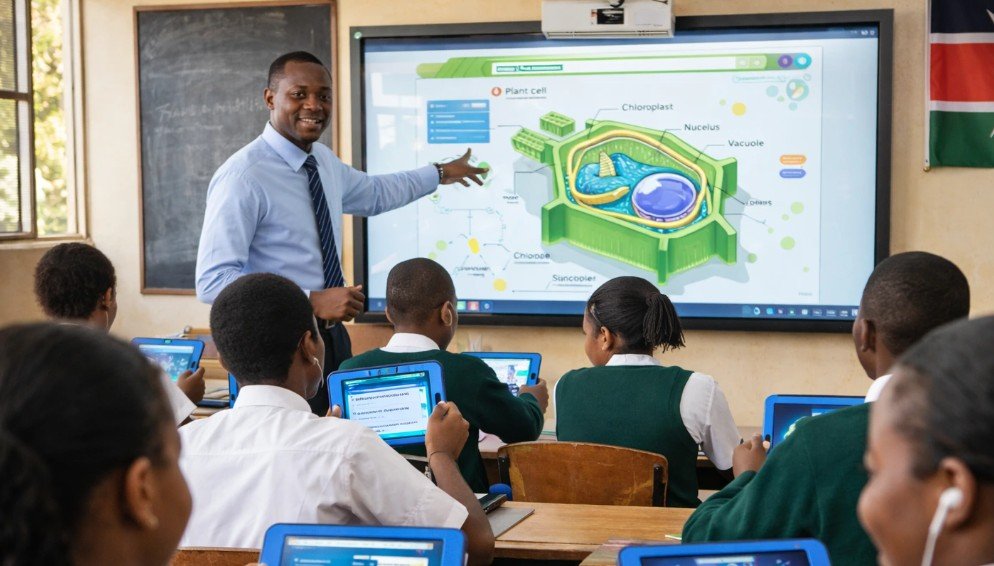

Classrooms today are no longer limited to chalkboards, textbooks, and traditional lectures. Learning environments are rapidly evolving as digital tools reshape how teachers teach and how students learn. Educational technology, often called “EdTech,” has become a powerful force that is making education more interactive, flexible, and accessible than ever before.
From smart classrooms to AI-powered learning platforms, technology is not just supporting education—it is redefining it. Students now have access to global knowledge, personalized learning paths, and real-time collaboration tools that were unimaginable a few decades ago.
Digital Learning Platforms Are Expanding Access
One of the most significant transformations in education is the rise of online learning platforms. Tools like Khan Academy and Coursera have made high-quality education accessible to anyone with an internet connection.
These platforms offer:
- Free and paid courses across subjects
- Self-paced learning options
- Video lectures and interactive exercises
- Certification programs from top institutions
Students in remote or underserved areas can now learn the same content as those in top urban schools, helping bridge the education gap globally.
Virtual Classrooms Enable Remote Learning
The concept of attending class from anywhere has become mainstream, especially after the global shift toward remote education. Platforms such as Zoom and Microsoft Teams have made virtual classrooms possible.
These tools allow:
- Live video lectures
- Screen sharing for presentations
- Real-time discussions
- Group collaboration and breakout rooms
Students no longer need to be physically present in a classroom to participate in learning. This flexibility has made education more resilient and adaptable.
Smart Classrooms Improve Engagement
Traditional classrooms are being upgraded into smart classrooms with interactive whiteboards, projectors, tablets, and digital content. Teachers can now use multimedia resources to make lessons more engaging and easier to understand.
Benefits of smart classrooms include:
- Visual and audio learning aids
- Interactive quizzes and polls
- Real-time feedback from students
- Multimedia-based explanations
This shift helps students stay more focused and improves retention of complex topics.
Personalized Learning Through AI
Artificial intelligence is playing a major role in customizing education. Modern EdTech systems analyze student performance and adapt learning materials based on individual needs.
AI-driven platforms can:
- Identify weak areas in student understanding
- Recommend personalized lessons
- Adjust difficulty levels automatically
- Track progress over time
This ensures that students do not follow a “one-size-fits-all” model but instead receive education tailored to their learning speed and style.
Improved Collaboration Between Students and Teachers
Educational technology has made communication between students and teachers more efficient. Platforms like Google Classroom allow teachers to distribute assignments, provide feedback, and organize coursework in one place.
Students can:
- Submit assignments online
- Ask questions anytime
- Access study materials easily
- Receive instant feedback
This continuous interaction improves understanding and keeps students engaged outside traditional classroom hours.
Gamification Makes Learning Fun
One of the most exciting developments in EdTech is gamification—using game-like elements in education. Points, badges, leaderboards, and rewards make learning more enjoyable and motivating.
Gamified learning helps:
- Increase student participation
- Improve memory retention
- Encourage healthy competition
- Make difficult subjects more interesting
By turning lessons into interactive challenges, students feel more motivated to learn.
Access to Global Knowledge and Resources
Previously, students were limited to local libraries and textbooks. Today, educational technology provides instant access to global information.
With platforms like Wikipedia, digital libraries, and academic databases, students can explore topics in depth and from multiple perspectives.
This global access encourages independent learning and critical thinking, which are essential skills in the modern world.
Enhanced Teacher Productivity
Educational technology is not only beneficial for students—it also supports teachers by reducing workload and improving efficiency.
Teachers can:
- Automate grading and assessments
- Organize lesson plans digitally
- Track student performance easily
- Use analytics to improve teaching strategies
This allows educators to focus more on teaching quality rather than administrative tasks.
Inclusive Education for All Learners
EdTech also plays a vital role in supporting students with different learning needs. Features like subtitles, screen readers, and adaptive learning tools help make education more inclusive.
Students with disabilities can now access learning materials in formats that suit them best, ensuring equal opportunities for success.
Real-Time Feedback and Assessment
Digital tools allow instant evaluation of student performance. Online quizzes and assessments provide immediate results, helping students understand their mistakes quickly.
This real-time feedback loop improves learning efficiency and helps teachers identify problem areas early.
Challenges of Educational Technology
Despite its benefits, educational technology also comes with challenges:
- Dependence on internet access
- Digital distraction among students
- Lack of personal interaction in some cases
- Unequal access to devices in rural areas
Addressing these issues is essential to ensure balanced and effective use of technology in education.
The Future of Classrooms
The future of education is expected to be even more technology-driven. Artificial intelligence, virtual reality, and augmented reality will continue to transform how students experience learning.
Imagine history lessons taught through virtual reality simulations or science experiments conducted in digital labs. These innovations are already being developed and tested in modern education systems.
Final Thoughts
Educational technology is reshaping classrooms into dynamic, interactive, and accessible learning environments. It empowers students to learn at their own pace, helps teachers deliver more effective lessons, and makes education more inclusive and global.
While challenges remain, the benefits far outweigh the limitations. As technology continues to evolve, classrooms will become even more engaging and personalized, preparing students better for the future world.
