
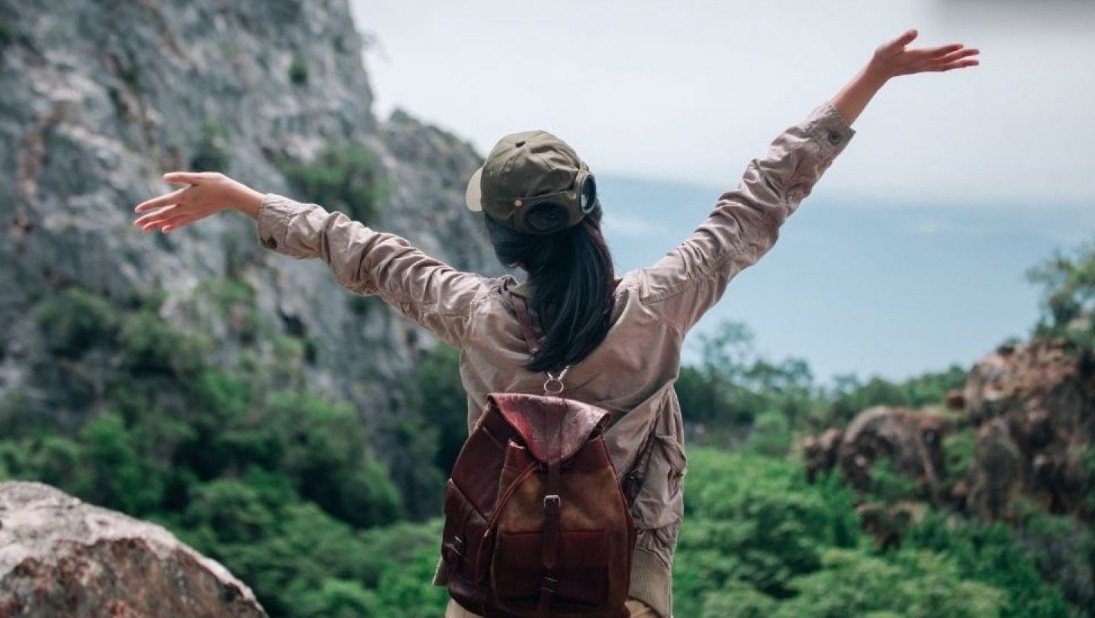

A solo journey carries a different kind of energy—quiet mornings in unfamiliar cities, spontaneous detours, and the freedom to decide every step without compromise. But traveling alone doesn’t have to mean spending a lot. In fact, solo travel can often be more budget-friendly than group trips if planned wisely. With the right strategies, it’s possible to explore new destinations, meet new people, and create unforgettable memories without draining your savings.
Budget travel is not about cutting joy from the experience; it’s about making smarter choices. From transportation to accommodation and daily expenses, small decisions can significantly reduce costs while keeping the adventure rich and meaningful.
Table of Contents
TogglePlan Early, But Stay Flexible
One of the most effective ways to save money while traveling solo is early planning. Flights, trains, and accommodation are usually cheaper when booked in advance. However, flexibility can also unlock hidden deals.
Travelers who can adjust their dates or destinations often find lower prices. Mid-week flights, for example, are usually cheaper than weekend departures. Similarly, off-season travel offers lower costs for hotels and attractions.
A balanced approach works best—plan the essentials early but leave room for flexibility in timing and activities.
Choose Budget-Friendly Destinations
Not all destinations have the same cost of living. Some cities are naturally more expensive due to tourism demand, while others offer rich cultural experiences at a fraction of the price.
For solo travelers, choosing affordable destinations can stretch the budget significantly. Countries in Southeast Asia, parts of Eastern Europe, and some regions in South America are known for low daily expenses while still offering incredible experiences.
Even within expensive countries, smaller towns are often much cheaper than major tourist cities.
Travel Light to Save More
Packing light is not just convenient—it saves money. Many budget airlines charge extra for checked baggage, so carrying only a backpack or small carry-on can reduce costs.
Traveling light also makes movement easier. Solo travelers can quickly switch transportation, walk longer distances, and avoid unnecessary taxi expenses. It also reduces stress since there is less luggage to manage.
A smart packing strategy includes:
- Multi-use clothing
- Lightweight essentials
- Travel-sized toiletries
- Minimal electronics
Use Public Transportation
Transportation can be one of the biggest travel expenses, but solo travelers can save significantly by using public transport instead of taxis or private rides.
Most cities have reliable and affordable options such as buses, metro systems, and shared rides. In many countries, transportation passes offer unlimited travel for a fixed price, which is ideal for budget planning.
Walking is another excellent option. It not only saves money but also allows deeper exploration of local streets, markets, and culture.
Stay in Budget Accommodation
Accommodation costs can quickly consume a travel budget, but solo travelers have several affordable options:
- Hostels
- Guesthouses
- Budget hotels
- Homestays
- Couchsurfing communities
Hostels are especially popular among solo travelers because they are affordable and provide opportunities to meet other travelers. Many hostels also offer shared kitchens, allowing guests to cook their own meals and save even more money.
Booking platforms often offer discounts for early reservations or longer stays, so comparing options is always beneficial.
Cook Your Own Meals When Possible
Eating out every day can be expensive, especially in tourist areas. One of the simplest ways to reduce food costs is by preparing your own meals.
Many hostels and guesthouses provide shared kitchens. Buying groceries from local markets instead of restaurants can reduce daily food expenses significantly.
When cooking is not possible, choosing local street food is often cheaper and more authentic than dining in tourist restaurants.
Travel Off-Season
Timing plays a major role in travel expenses. Peak tourist seasons bring higher prices for flights, hotels, and attractions. Solo travelers can save a large amount by traveling during off-season or shoulder seasons.
Off-season travel also comes with additional benefits:
- Fewer crowds
- More peaceful experiences
- Better accommodation deals
- Easier transportation booking
This makes the journey more relaxed and often more enjoyable.
Take Advantage of Free Activities
Many destinations offer free or low-cost attractions that are just as enjoyable as paid experiences. Solo travelers can explore:
- Public parks and beaches
- Free walking tours
- Local festivals and cultural events
- Museums with free entry days
- Hiking trails and natural landmarks
Exploring free activities helps stretch the budget while still creating meaningful travel memories.
Use Travel Apps and Discounts
Technology is a powerful tool for budget travel. Many apps help find cheap flights, discounted accommodations, and affordable transportation options.
Solo travelers can also benefit from:
- Price comparison websites
- Cashback and reward programs
- Local discount passes
- Travel deal alerts
Using these tools consistently can reduce overall travel costs significantly.
Meet Other Travelers and Share Costs
Solo travel doesn’t always mean being alone. Meeting other travelers can create opportunities to share expenses. For example:
- Splitting taxi or ride-share costs
- Sharing group tours
- Booking shared accommodation
- Cooking meals together
This not only reduces costs but also enhances the travel experience through shared stories and companionship.
Be Smart with Money Exchange
Currency exchange rates and fees can quietly increase travel expenses. It is important to:
- Avoid exchanging money at airports (usually higher fees)
- Use local ATMs with low withdrawal charges
- Use travel-friendly debit or credit cards
- Pay attention to exchange rates
Small savings in currency exchange can add up over time.
Set a Daily Budget
One of the most effective habits for solo travelers is setting a daily budget. This helps control spending and avoid unnecessary expenses.
A simple daily plan can include:
- Accommodation cost
- Food allowance
- Transportation budget
- Entertainment limit
Tracking expenses daily ensures that travelers stay within their financial limits throughout the journey.
Conclusion
Solo travel offers freedom, independence, and self-discovery, but it doesn’t have to come with high expenses. With careful planning, smart choices, and a flexible mindset, it is possible to explore the world on a budget without sacrificing experience.
From choosing affordable destinations to using public transport and embracing local culture, every decision plays a role in saving money. Budget travel is not about limiting adventure—it is about traveling smarter and making every moment count.
For solo travelers, the journey becomes even more meaningful when it is both affordable and enriching, proving that unforgettable experiences do not always require a big budget.
